Some homes feel beautiful. Others feel alive, and the difference often comes down to what they are made of.
You can incorporate natural materials into your home by using stone, wood, plaster, natural fibers, and living-finish metals in ways that support both design and daily function. The key is intention. Choose where each material appears, how it is finished, and how it relates to the light, views, and landscape around the home. When these decisions are made early, natural materials feel woven into the architecture rather than added as decoration.
In this article, you will learn which natural materials work best, how to use them throughout the home, and what to consider when building or remodeling in Wisconsin.
What Are Natural Materials in Luxury Home Design?
Natural materials in luxury home design are building and finish materials that come from the earth with minimal processing, such as stone, solid wood, clay, lime, wool, linen, leather, and metals like copper and brass. Their appeal lies in authenticity. No two slabs of marble or planks of white oak are exactly alike.
Unlike synthetic alternatives designed to look uniform, natural materials carry variation in grain, veining, and tone. That individuality gives a home depth and character that is difficult to replicate, which is why these materials remain a defining feature of high-end residences.
Why Natural Materials Matter in Custom Home Design
Natural materials matter in custom home design because they improve how a home looks, feels, and ages over time. Stone, wood, and plaster develop a patina with use, so the home gains character instead of simply wearing out.
There is also a well-being benefit. Research on biophilic design, the practice of connecting people with nature through the built environment, suggests that natural textures and patterns can help spaces feel calmer and more restorative. For homeowners who want a retreat from busy schedules, that sense of calm is a meaningful part of luxury.
Durability plays a role as well. Well-selected natural materials often outlast trend-driven finishes, supporting long-term value and reducing the need for frequent updates.
How to Incorporate Natural Materials Into Your Home
Natural materials work best when they are used with restraint and purpose throughout the home. In custom home design, the following approaches help create a cohesive look without overwhelming any single space.
Use Natural Stone as a Grounding Element
Natural stone creates an immediate sense of permanence, which is why it often anchors key areas of the home. A limestone fireplace surround, a marble kitchen island, or a fieldstone accent wall can become the visual focal point of a room.
Stone also works beautifully in wet areas. Honed marble, travertine, and slate bring a spa-like quality to primary bathrooms while offering reliable performance when properly sealed.
Bring Warmth With Wood Throughout the Home
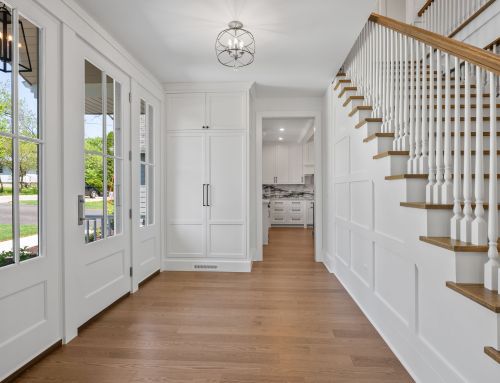
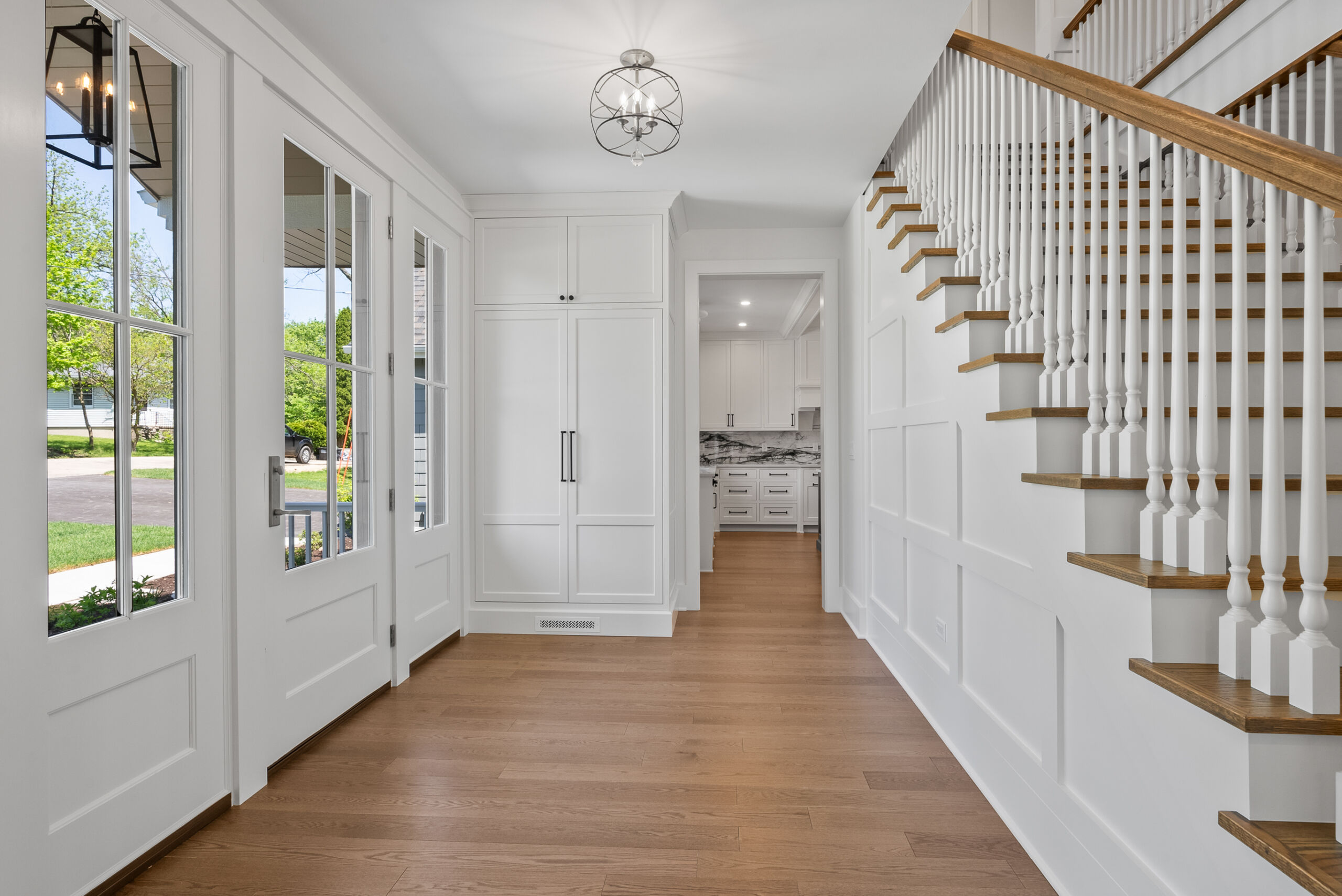
Wood is the most versatile natural material, bringing warmth to floors, ceilings, cabinetry, and architectural details. Wide-plank white oak flooring, walnut built-ins, and reclaimed timber beams each add a different level of richness.
For a cohesive result, limit the number of wood species in one area and vary the finish instead. A matte floor paired with a lightly oiled ceiling feels layered without looking busy.
Add Texture With Plaster, Clay, and Lime Finishes
Plaster, clay, and lime finishes add soft texture and subtle movement to walls and ceilings. Venetian plaster and limewash create a hand-applied depth that painted drywall cannot match, especially where natural light shifts throughout the day. Lime plaster is also breathable, which helps it manage everyday moisture.
These finishes pair well with both traditional and contemporary interiors, making them a flexible choice for living rooms, entryways, and primary suites.
Layer Natural Textiles and Fibers
Natural textiles soften hard surfaces and make spaces feel lived-in. Wool rugs, linen drapery, leather upholstery, and jute or sisal accents add comfort while reinforcing the home’s organic palette. Undyed or naturally dyed options keep the look soft and cohesive.
Because textiles are easier to change than built-in materials, they also allow homeowners to refresh a room seasonally without altering its architecture.
Introduce Metals With a Living Finish
Metals such as unlacquered brass, copper, and blackened steel add contrast and quiet sophistication. Over time, these living finishes develop a natural patina that complements stone and wood.
Hardware, lighting fixtures, range hoods, and stair railings are ideal places to introduce metal without letting it dominate the room.
Choosing Natural Materials for Wisconsin’s Climate
Wisconsin’s climate requires natural materials that can handle cold winters, humid summers, and seasonal shifts in indoor moisture. Selecting and installing them correctly protects both appearance and performance.
Solid wood naturally expands and contracts as humidity changes, so proper acclimation, stable species, and well-controlled indoor air help prevent gaps and cupping. Exterior stone must withstand freeze-thaw cycles, which makes material density, sealing, and drainage details especially important. Inside, radiant floor heating pairs well with stone and tile, turning cool surfaces into comfortable ones during long winters.
This is where custom home design and construction expertise intersect. The right material in the wrong application can lead to costly repairs, while the right detail allows natural materials to perform beautifully for decades.
How Custom Home Builders Match Natural Materials to the Setting
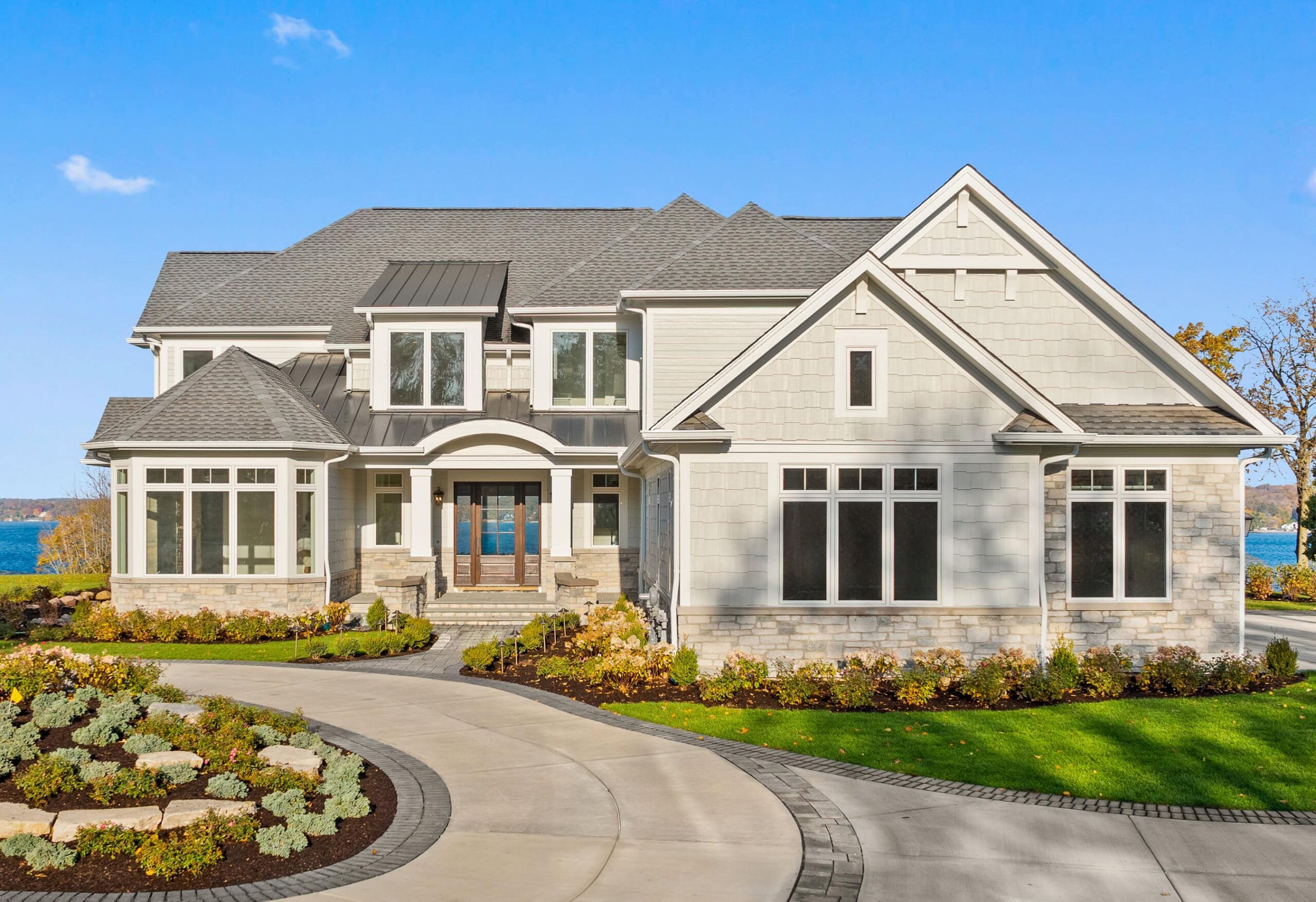
Custom home builders match natural materials to the setting by studying the views, climate, and surrounding landscape before finalizing a palette. For custom home builders in Lake Geneva, that often means designing around the water, where the setting should shape material choices from the start.
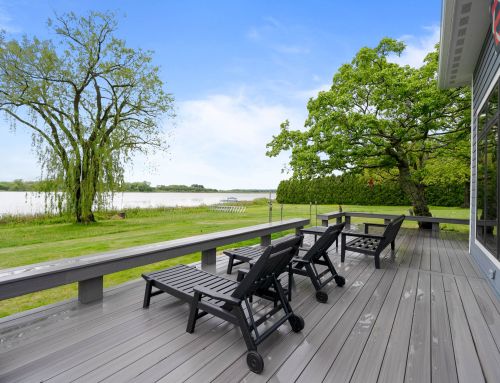
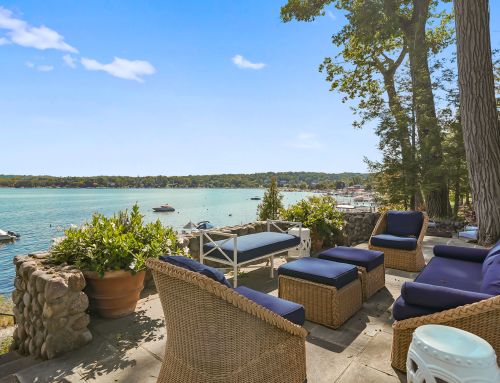
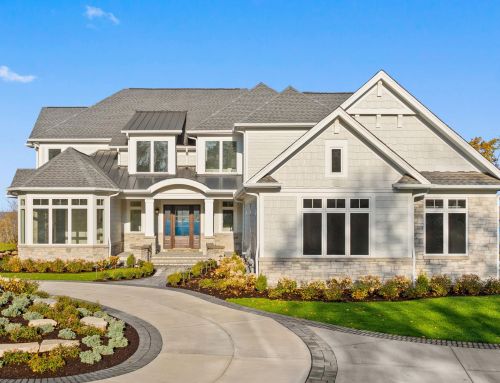
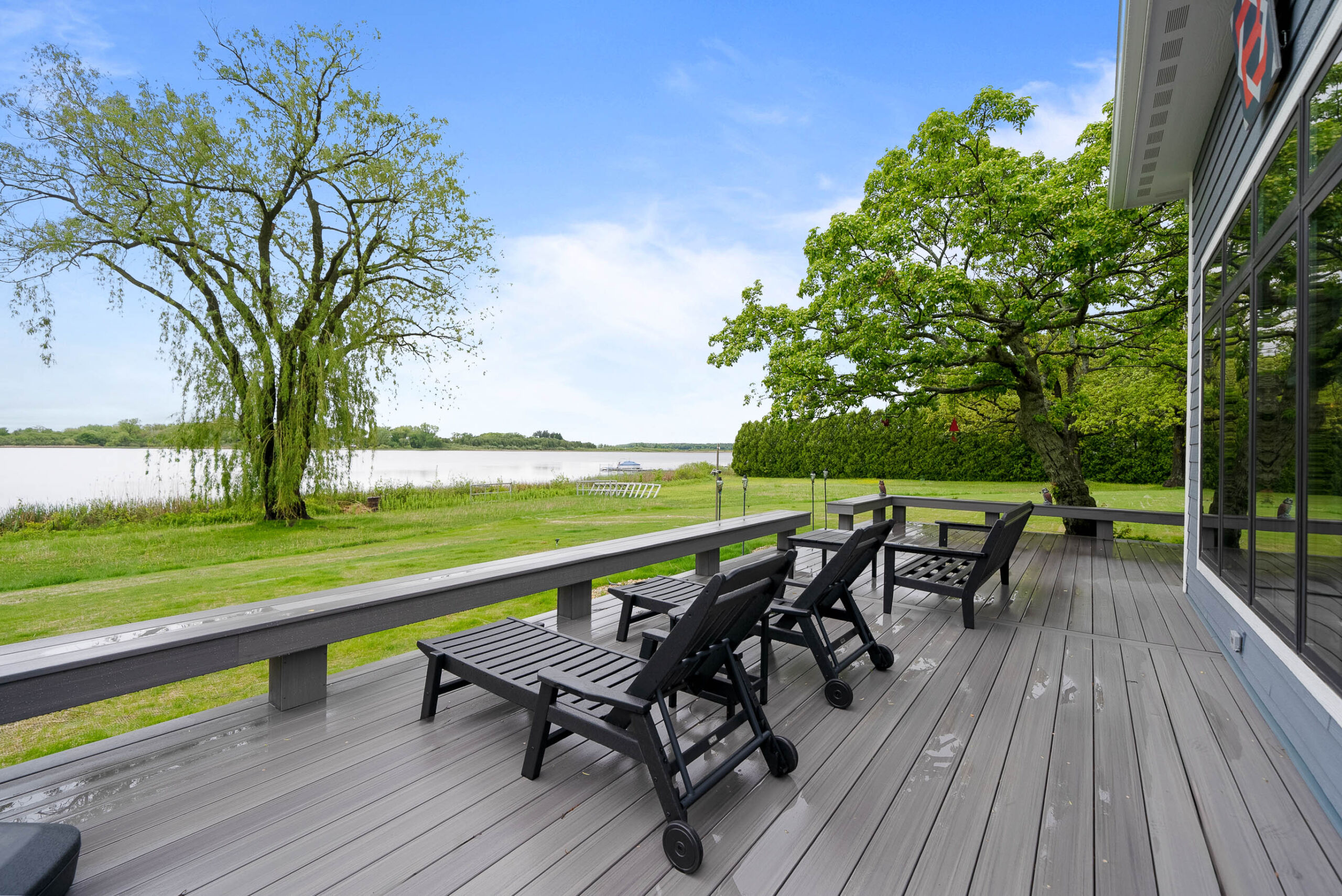
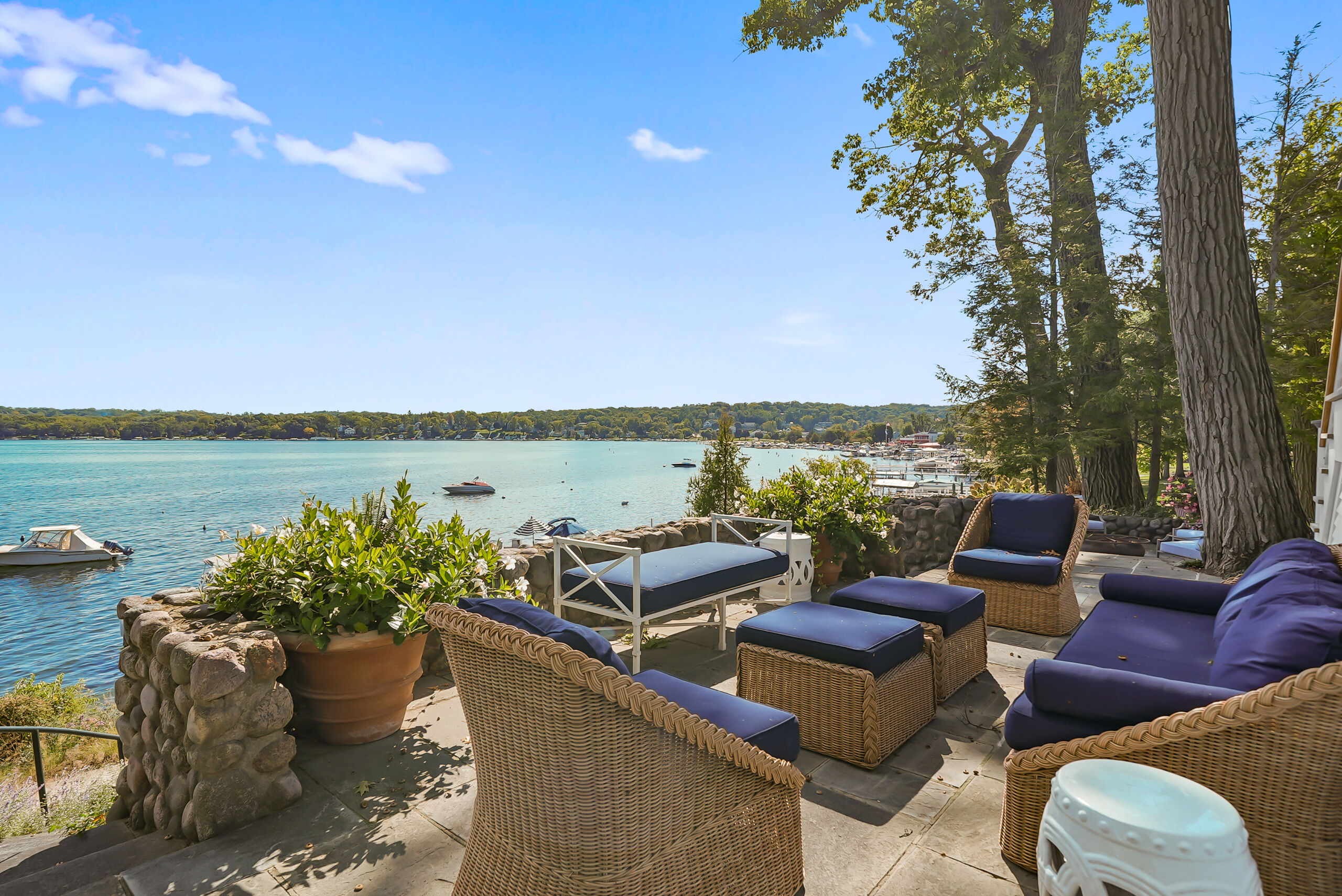
Many lakefront homes in Lake Geneva, Fontana, and Williams Bay use cedar, fieldstone, and natural timber to echo the shoreline and wooded surroundings. Carrying these materials from the exterior into the interior creates a seamless transition, such as a stone terrace that continues into a lower-level entertaining space.
Exposure is another consideration. Wind, sun, and moisture near the water affect how exterior wood and stone weather over time, so experienced custom home builders in Lake Geneva will recommend finishes and maintenance plans suited to lakefront conditions. At Matustik Builders, these material decisions are part of the design-build process, keeping the vision and the practical realities aligned from the first plan to the final finish.
Planning Natural Materials With Luxury Custom Home Builders
Luxury custom home builders help homeowners plan natural materials early, so each selection fits the home’s structure, budget, and long-term goals. Material choices affect framing, subfloors, lighting, and even HVAC design, which is why timing matters.
Viewing full-size samples in the actual space, under both daylight and evening lighting, reveals how a material will truly look. Experienced luxury custom home builders also help clients understand maintenance expectations, since some finishes, like marble and unlacquered brass, change with use in ways that some homeowners love and others prefer to avoid.
Finally, a clear plan for how materials repeat across rooms keeps the home cohesive. Thoughtful luxury home design uses a limited palette in varied ways rather than introducing something new in every space.
Whether you are building new or remodeling, working with luxury custom home builders who understand both craftsmanship and site conditions makes the process smoother. For homeowners searching for custom home builders Lake Geneva residents recommend, look for a portfolio that shows natural materials used with confidence and care.
Frequently Asked Questions
Are natural materials more expensive than synthetic alternatives?
Natural materials often cost more upfront, but prices vary widely by material, grade, and source. Many homeowners manage costs by using premium materials in high-impact areas and simpler options elsewhere.
Can natural materials be mixed with engineered surfaces?
Yes, many homes pair natural materials with engineered options like quartz or porcelain in high-traffic or high-moisture areas. This approach balances authentic character with low-maintenance performance.
Are natural materials a sustainable choice?
Natural materials can be sustainable when they are responsibly harvested, locally sourced, or reclaimed. For wood, look for certifications such as FSC to confirm responsible forestry practices.
Bringing Natural Materials Into Your Luxury Home
Natural materials give a home a sense of warmth, authenticity, and connection to its surroundings that few other design choices can match. When stone, wood, plaster, and metal are selected with intention, every room feels grounded and personal. That is the essence of lasting luxury home design.
If you are ready to bring natural materials into a new build or remodel in the Lake Geneva area, Matustik Builders can help you create a home that feels as timeless as the landscape around it. Contact us today to start planning your vision.