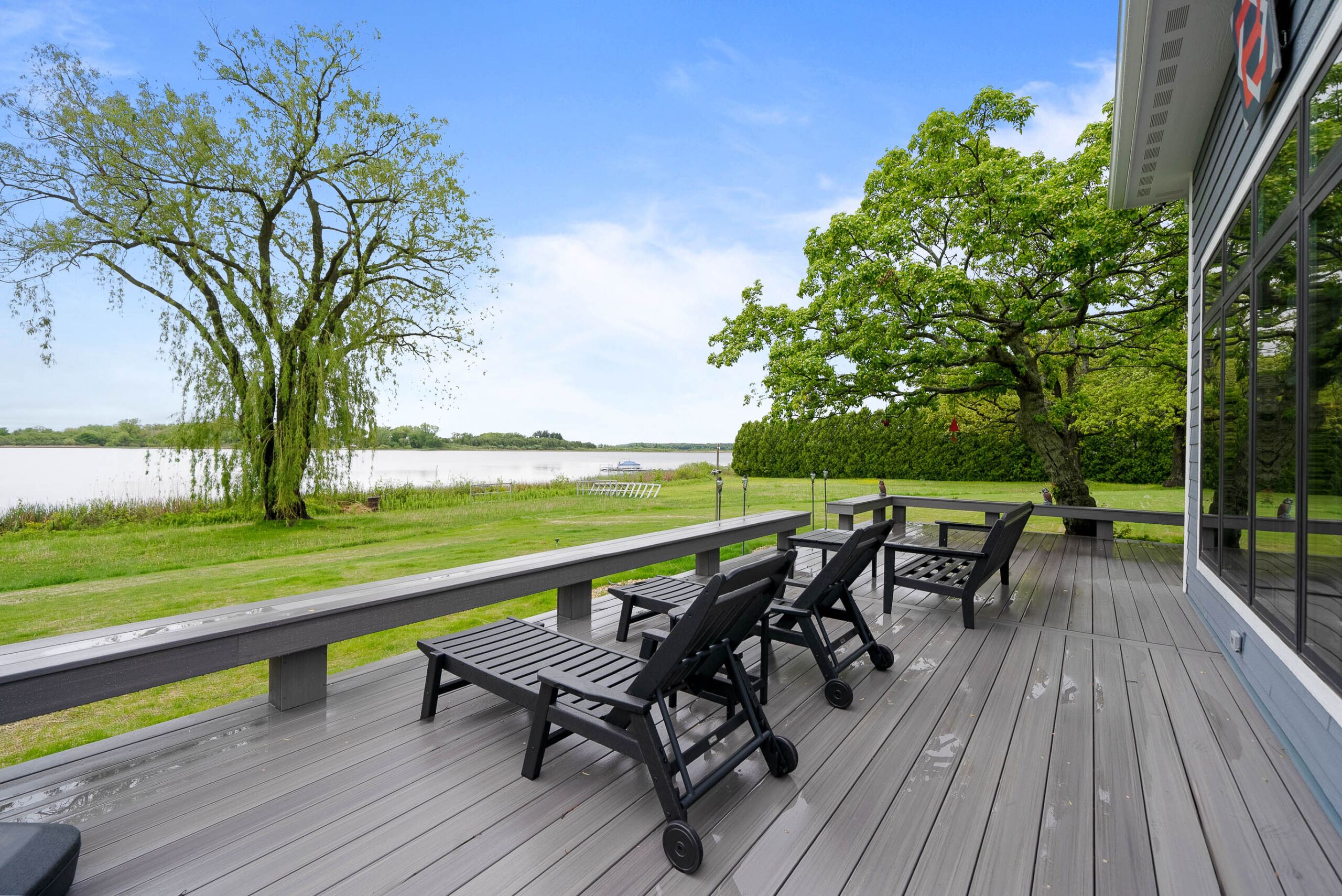
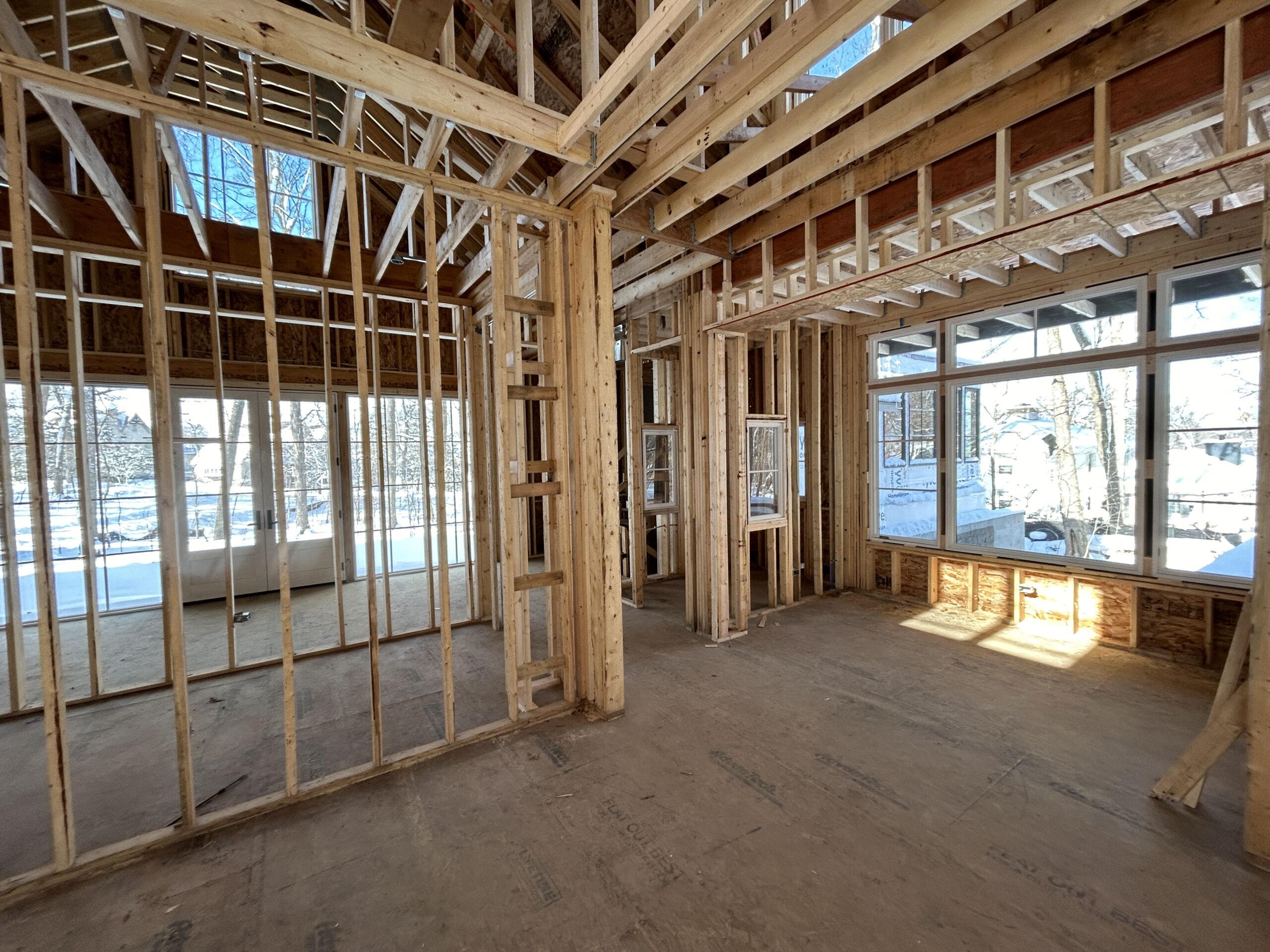
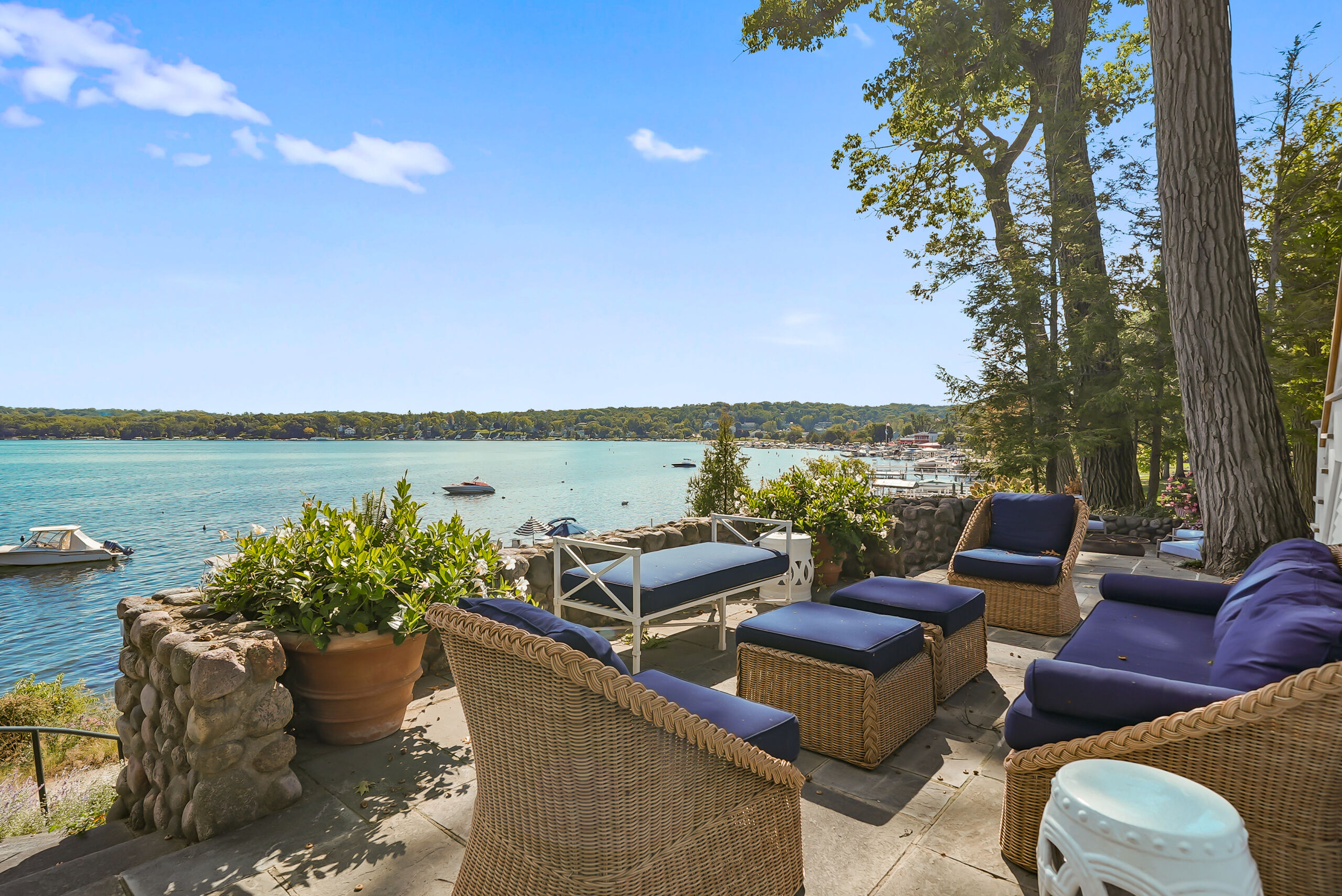
There is nothing quite like waking up to calm water outside your bedroom window. Getting there, though, starts long before the first shovel hits the ground.
Building on a lakefront lot in Wisconsin means working within state shoreland zoning rules, local ordinances, and site conditions that inland lots rarely face. Before design begins, you need a clear picture of setbacks, soil and drainage, permit timelines, and how the home will sit on the shoreline. These factors shape everything from the floor plan to the final budget.
Learn what to evaluate before you buy, design, and build. You will know which questions to ask early, so your lakefront home comes together with fewer surprises.
Understanding Wisconsin Shoreland Zoning Rules
Shoreland zoning is the first thing that sets waterfront property apart. Wisconsin establishes statewide minimum standards under Chapter NR 115, and counties, cities, and villages enforce their own ordinances, which can be stricter. That means the rules for a lot in an unincorporated town may differ from one inside city limits on the same lake.
Setbacks, Buffers, and Impervious Surface Limits
In unincorporated areas, the state minimum requires homes to sit at least 75 feet back from the ordinary high-water mark. A vegetative buffer of about 35 feet along the shore is also protected, which limits how much natural growth you can clear for views or lawn. Some setback flexibility exists where neighboring homes already sit closer to the water.
Impervious surfaces matter too. Roofs, driveways, and patios can generally cover up to 15% of the lot, or up to 30% with an approved mitigation plan such as native plantings or rain gardens. These limits often decide how large the footprint, garage, or outdoor living area can be.
Local Considerations Around Geneva Lake
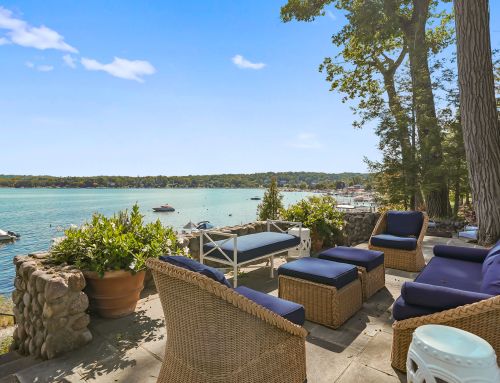
Geneva Lake adds its own layer of history and tradition. A public shore path winds roughly 21 miles around the lake, passing directly through the front yards of private homes. Landscaping, terraces, and outdoor gathering areas need to be designed with that foot traffic in mind.
Piers, boathouses, and shoreline work like riprap or seawalls are regulated separately and often need their own approvals. An experienced Lake Geneva custom lakefront home builder knows which agencies to involve and in what order.
How to Evaluate a Lakefront Lot Before You Commit
A beautiful view does not guarantee a buildable site. A thorough lot assessment before closing can save months of redesign and significant unplanned expense.
Soil, Slope, and Groundwater
Lakefront lots often have steep grades, high water tables, or soft soils near the shore. Soil borings and a topographic survey reveal whether you need deeper footings, engineered retaining walls, or added drainage. These findings also determine whether a walkout lower level is practical.
Many older lake properties rely on private septic systems. If yours does, confirm early whether the existing system can support a larger home or needs replacement.
Orientation, Views, and Privacy
Study how the sun moves across the lot and where the best sightlines fall. Southern and western exposures bring warmth and sunsets, but they also add glare and summer heat gain. On narrow lake lots, neighboring homes can sit close, so window placement and landscaping should balance openness with privacy.
Designing a Home That Belongs on the Water
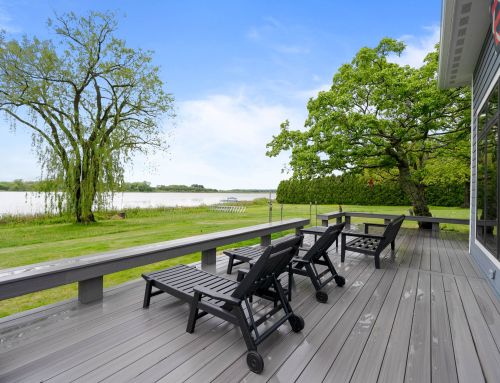
The best lakefront homes feel rooted in their setting. Main living spaces, the primary suite, and outdoor areas usually face the lake, while garages, mudrooms, and service spaces face the road. Walkout lower levels are popular because they turn a sloped lot into usable space with direct access to the water.
Materials need to handle Wisconsin’s climate. Freeze-thaw cycles, humidity off the water, and strong winter winds are hard on siding, decking, and windows. Durable choices like natural stone, fiber cement, and high-performance glazing hold up longer and protect your investment.
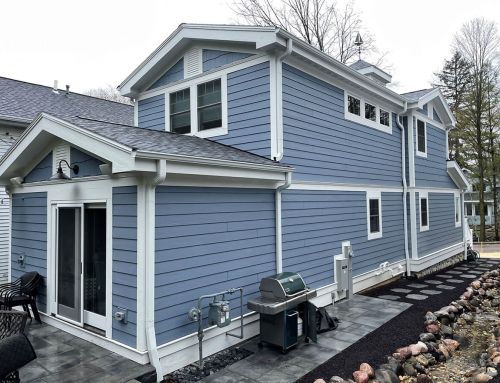
At Matustik Builders, design and construction decisions are made together from the very first sketches. That design-build approach catches conflicts between the plan and the site before they become costly change orders. The same thinking shaped a 20,000-square-foot lakefront custom home in Delavan, where the layout, outdoor living spaces, and lower level were all planned around the shoreline from the start.
Navigating the Waterfront Custom Home Construction Process
Knowing the waterfront custom home construction process WI homeowners go through helps you set realistic expectations. Lakefront builds typically take longer than inland projects because of added reviews, site constraints, and seasonal limits. Accounting for that extra time at every phase of the custom home building process, from early design through final delivery, helps avoid the schedule pressure that leads to rushed decisions.
Permits and Approvals
Expect a shoreland zoning permit, a building permit, and an erosion control plan at minimum. Projects involving piers, shoreline stabilization, or work near wetlands may also require review by the Wisconsin DNR. Starting the permit process during design, rather than after it, keeps the schedule moving.
Site Access and Shoreline Protection
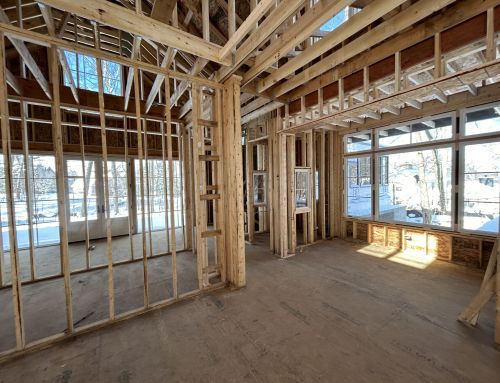
Lakefront lots often have tight road access and little room for staging materials. Crews need to plan deliveries carefully, protect mature trees, and install silt fencing to keep runoff out of the lake. Wisconsin winters also affect when excavation and foundation work can happen, so the goal is usually to enclose the structure before the ground freezes.
What to Look for in a Lakefront Builder
Not every builder has worked within shoreland rules or on steep, sensitive sites. When interviewing a Lake Geneva custom lakefront home builder, ask to see completed waterfront homes and how the team handled permitting and soil surprises.
Budget conversations should happen early. Lakefront foundations, retaining walls, and shoreline work can add meaningful cost, and a trustworthy builder explains these upfront. These site-specific expenses sit on top of the broader factors that shape what a custom luxury home costs in Lake Geneva, such as square footage, finishes, and design complexity.
Frequently Asked Questions
Can I tear down an old lake cottage and rebuild in the same spot?
Often yes, since Wisconsin allows some older homes that sit inside the setback to be replaced or expanded with mitigation. Rules vary by county and municipality, so confirm with the local zoning office before you buy.
Does a lakefront lot affect homeowners insurance?
It can, especially if part of the property falls within a mapped floodplain. Checking FEMA flood maps and getting insurance quotes during due diligence helps you avoid surprises later.
How long does it take to build a custom lakefront home?
Most custom lakefront homes take about 12 to 18 months of construction, plus several months for design and permitting. Larger homes and complex sites can take longer.
Start Your Lakefront Home on Solid Ground
Building on a lakefront lot in Wisconsin rewards homeowners who plan with care. Know your setback and impervious surface limits before you design, test the lot before you buy, and choose materials made for Wisconsin weather. Build extra time into the schedule for permits and seasonal work, and partner with a team that has managed the waterfront custom home construction process WI lakes demand many times before.
Your lakefront property is likely one of the most significant investments you will make, and the shoreline it sits on is a protected resource. Matustik Builders brings more than 35 years of hands-on experience to families building their next home in Lake Geneva and across Southern Wisconsin. Contact our team to talk through your lot and start planning a lakefront home designed around the way you live.