Every custom home starts with a big decision before the first sketch. Will one team shape your vision on paper and bring it to life on your property, or will two separate firms share the job?
In the design build vs. traditional architect builder comparison, there is no one-size-fits-all answer. How your project is structured from the very beginning influences your budget, timeline, and overall experience more than almost any other early decision in a custom home project. Understanding both paths before you commit can save you time, money, and frustration down the road.
When choosing how to build, many homeowners focus on design quality alone, but cost control, scheduling, and accountability matter just as much. This guide breaks down how each approach works, where each one excels, and how to decide which model fits your goals, property, and lifestyle.
What Is the Difference Between Design-Build and the Traditional Approach?
The design build vs. traditional architect builder question comes down to how your project is delivered. In the traditional model, often called design-bid-build, you hire an architect first, finalize drawings, and then select a builder, frequently through competitive bids. In design-build, one firm manages both design and construction from the first conversation to the final walkthrough.
The choice between one contract and two is more than paperwork. It determines who is responsible when questions arise, how early construction costs are known, and how smoothly the design translates into a finished home.
Who Represents the Homeowner in Each Approach?
When comparing a design build firm vs. separate builder and architect, many homeowners ask who is looking out for their interests. In the traditional model, the architect often acts as your representative during construction, reviewing the builder’s work against the plans. In design-build, that protection comes from transparent pricing, detailed documentation, and a firm whose reputation depends on the final result.
Design Build Firm vs. Separate Builder and Architect: Key Comparisons
Comparing a design build firm vs. separate builder and architect side by side reveals clear differences in how each approach handles the factors that matter most to homeowners, from cost and schedule to creative control.
Budget and Cost Control
Budget visibility is one of the biggest differences between the two approaches. In the traditional model, true construction pricing often arrives only after drawings are complete. If bids come in over budget, the home may need to be redesigned, adding time and fees. Design-build brings pricing into the design phase, so each decision is weighed against real costs as the plans evolve.
Timeline and Scheduling
Because the traditional approach moves in sequence, design must be finished before bidding and construction begin. Design-build allows phases to overlap, such as preparing the site or ordering long-lead materials while final details are refined, which can shorten the overall schedule. For homeowners with a target move-in date, that overlap can make a meaningful difference.
Communication and Accountability
When issues come up in a traditional build, homeowners can find themselves mediating between the architect and the contractor. With design-build, one team owns both the design and the result, so there is no question about who is responsible. At Matustik Builders, architects, designers, and the construction team work together under one process, and clients follow progress through a personalized project portal with daily photos.
Change Management and Risk
Changes are part of nearly every custom home, and each approach handles them very differently. Under separate contracts, a design change may require revised drawings from the architect and a new price from the builder, often with added fees and delays. In design-build, the same team updates the plans, pricing, and schedule together, so you can make informed decisions quickly.
Design Flexibility and Creative Control
Some homeowners worry that design-build limits creativity. In reality, creative freedom depends more on the team’s talent than the delivery method. A strong design-build firm offers the same level of architectural detail, with the added assurance that every idea is evaluated for buildability and cost.
Why an Integrated Design Build Process in Wisconsin Makes Sense
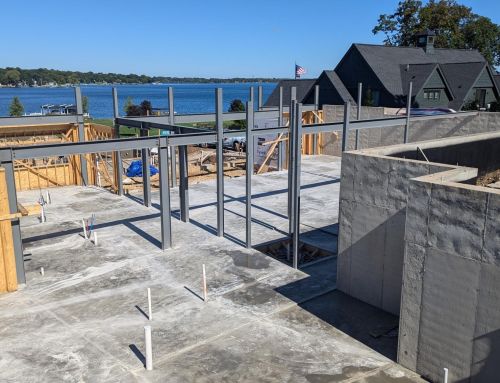
Building in Wisconsin comes with specific challenges. Seasonal weather affects construction timing, foundations must extend below the frost line, and lakefront properties are subject to county shoreland zoning rules. An integrated design build process in Wisconsin accounts for these realities during design, so plans are practical before the first permit is filed. Early coordination also helps the team schedule the home to be enclosed before winter, allowing interior work to progress through the colder months.
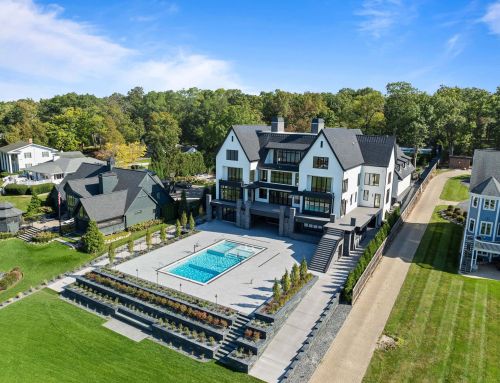
This coordination is especially valuable on lakefront lots, where home orientation, views, setbacks, and site conditions must be balanced from the very first sketch. Keeping those decisions within one team prevents important details from getting lost between separate firms.
How Interior Design Fits Into Each Delivery Method
In the design build vs. traditional architect builder comparison, interior design is often overlooked until late in the project. With separate contracts, an interior designer may be a third firm brought in after the architecture is set, which can mean adjusting plans to fit lighting, cabinetry, or built-ins.
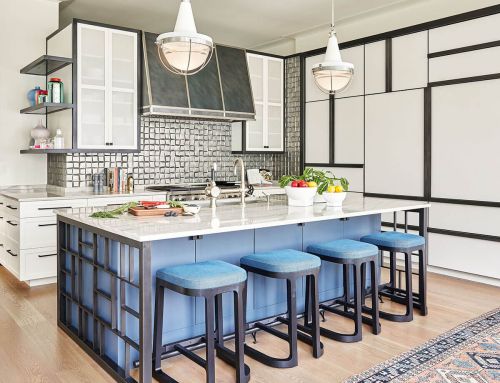
When interior design is part of the same team, finishes, fixtures, and millwork are planned alongside the floor plan. Outlets land where furniture will sit, lighting highlights key architectural features, and custom details feel built in rather than added on. For luxury custom homes, this integration often defines how refined the finished spaces feel.
Warranty and Long-Term Support After Move-In
A custom home’s value extends well beyond the day you receive the keys, and the delivery method you choose can affect how issues are handled after completion. In a traditional build, a problem such as a leaking window or cracked tile can lead to debate over whether the cause was a design detail or a construction error, leaving homeowners to sort out responsibility between two firms.
With design-build, one firm stands behind both the plans and the workmanship, so warranty requests go to a single team. That team also has complete records of the home’s systems, materials, and selections, which makes future maintenance, repairs, or additions far more efficient.
Before signing with any team, ask what the warranty covers, how long it lasts, and how service requests are handled. For a long-term investment like a luxury home, strong post-construction support is just as important as the build itself.
Frequently Asked Questions
Can I bring my own architect to a design-build firm?
Often, yes. Many design-build firms can collaborate with an outside architect, but it’s best to confirm this early.
Does design-build work for home remodels?
Yes. Design-build is well suited to luxury remodels, where existing conditions and new design choices need close coordination.
Who owns the house plans in a design-build project?
Plan ownership depends on your contract. Ask each firm upfront whether you will receive or own the final drawings.
Building Your Custom Home With One Trusted Team
For many homeowners planning a luxury custom home, design-build offers a simpler, more accountable path from concept to completion. If you are planning a new home in Lake Geneva, Delavan, Fontana, or Williams Bay, contact Matustik Builders to learn how an integrated design build process in Wisconsin can bring your vision to life.