What is a realistic budget for a luxury custom home build? The answer depends on far more than square footage. Experienced custom home builders Lake Geneva homeowners trust will tell you that design complexity, materials, site conditions, and personal priorities all influence the final investment.
Many homeowners begin the process with a rough number in mind, only to discover that home construction involves hundreds of decisions that affect cost. Understanding where your budget goes before construction begins can help you make informed choices, avoid surprises, and create a home that aligns with both your vision and financial goals.
Start With Your Total Investment, Not Cost Per Square Foot
One of the biggest mistakes homeowners make is focusing exclusively on cost per square foot. While this metric can provide a general benchmark, it rarely tells the full story of a luxury custom home.
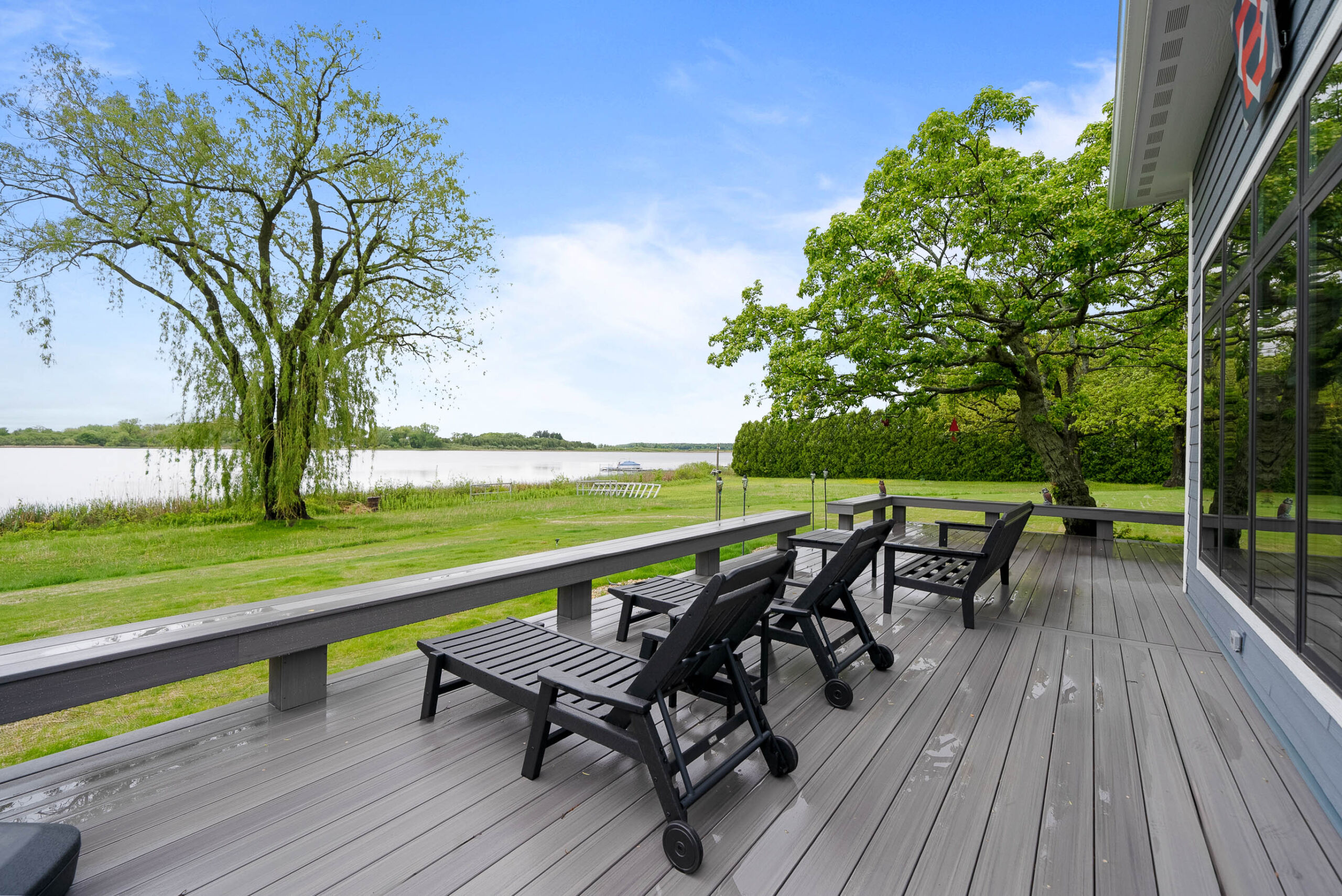
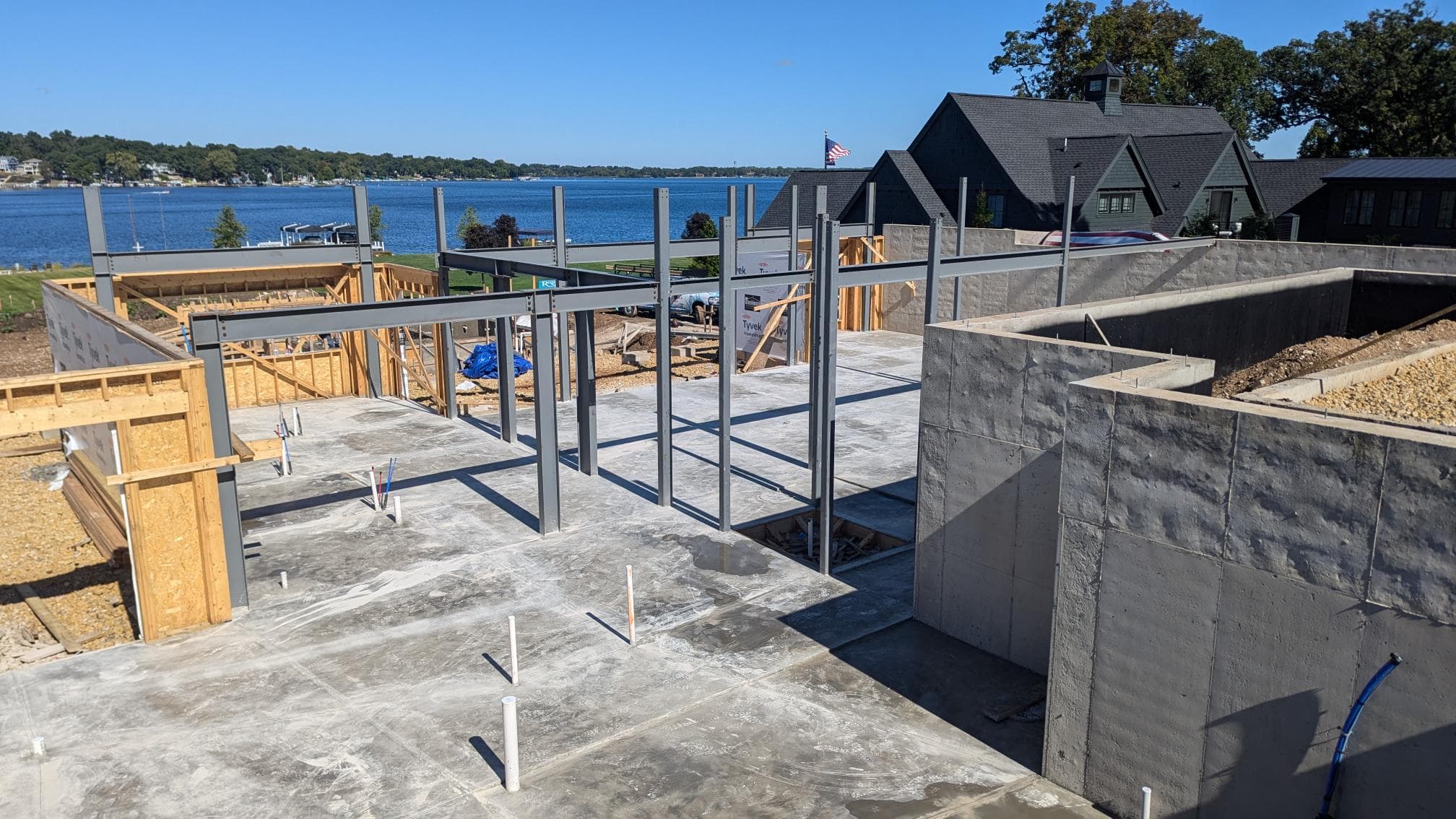
Two homes with identical square footage can have dramatically different costs depending on architectural design, structural requirements, interior finishes, outdoor living spaces, and site conditions. A waterfront property, sloped lot, or heavily wooded parcel may require additional preparation before construction even begins.
Rather than asking, “What does a new home cost per square foot?” A better question is, “What total investment aligns with my goals?”
The most successful projects begin with a clear understanding of overall budget parameters and priorities.
Understanding Where Your Budget Goes
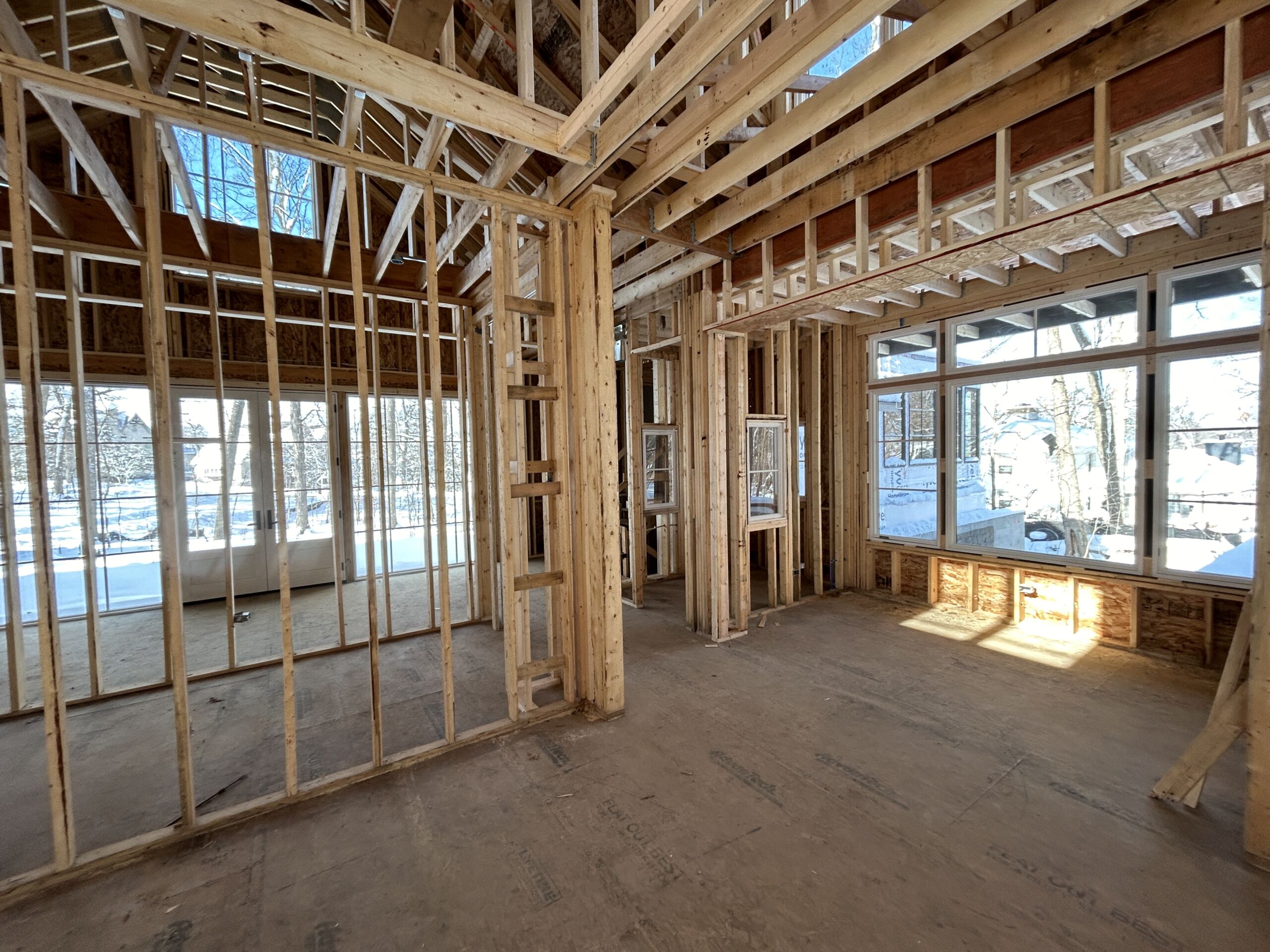
Home budgets typically extend well beyond the visible elements homeowners notice during design meetings. While cabinetry, flooring, appliances, and fixtures are important, significant portions of the budget are often allocated to infrastructure and construction systems.
A custom home budget generally includes:
- Land acquisition and site preparation
- Architectural and engineering services
- Construction and labor costs
- Mechanical systems and technology
- Interior finishes and custom features
- Landscaping and outdoor living spaces
- Permits, fees, and inspections
Working with experienced high-end home builders early in the planning process helps establish realistic allocations across these categories before decisions become expensive.
The Importance of Prioritizing Features
Every homeowner has a wish list. The challenge is determining which features deliver the greatest value to your lifestyle.
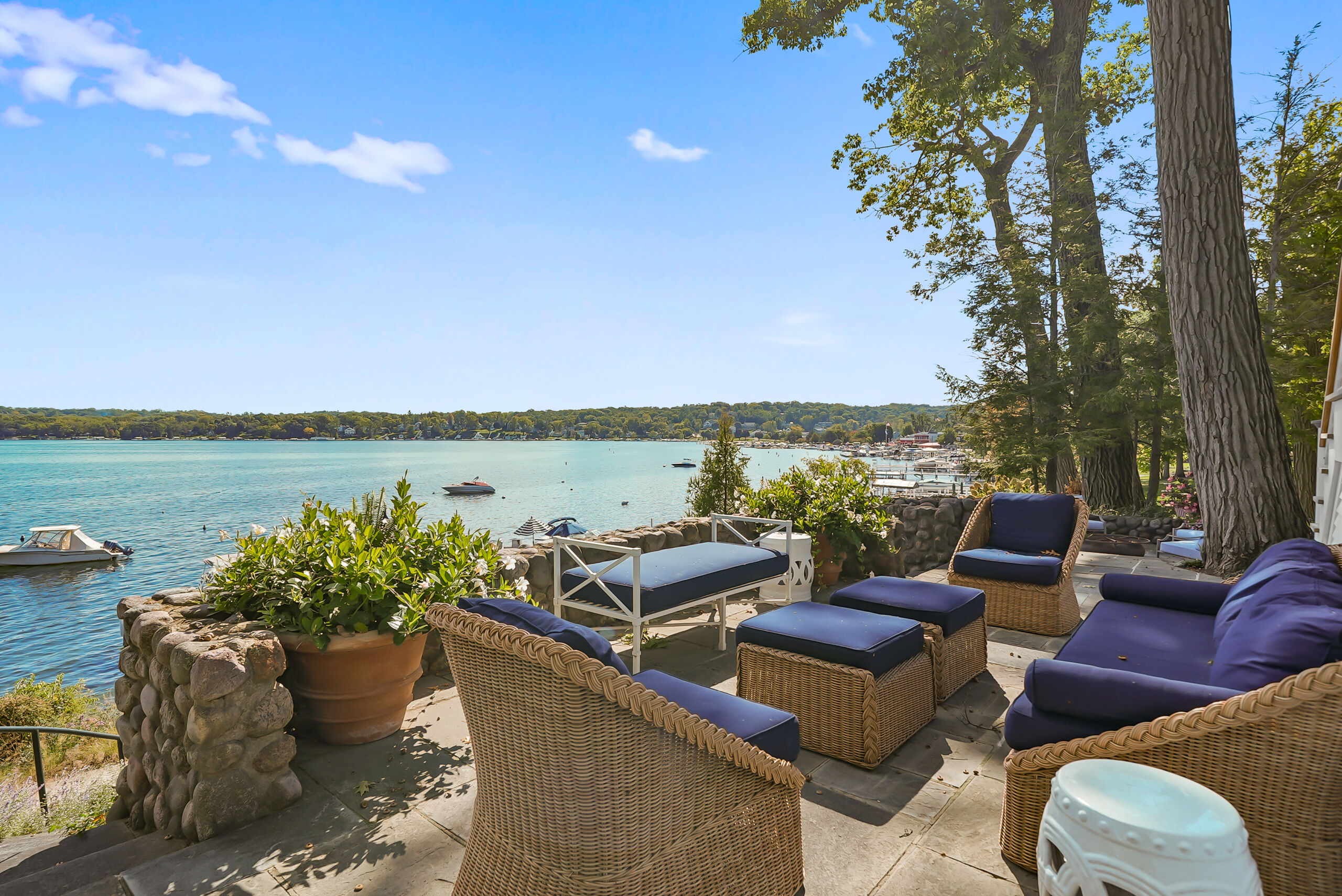
For some families, a professional-grade kitchen may justify a larger portion of the budget. Others may prioritize lake views, outdoor entertaining spaces, wellness rooms, or integrated smart home technology.
The most effective budgeting process focuses first on non-negotiable features. Once those priorities are established, secondary upgrades can be evaluated more strategically.
This approach helps prevent situations where budget overruns force homeowners to compromise on the elements that mattered most from the beginning.
Why Luxury Finishes Often Impact Budgets More Than Size
Many homeowners are surprised to learn that finishes can influence costs more significantly than overall home size.
Custom millwork, imported stone, handcrafted cabinetry, specialty lighting, premium appliances, and bespoke architectural details can substantially increase investment levels. During construction, the difference between standard selections and highly customized finishes can represent hundreds of thousands of dollars.
This is one reason that luxury custom home builders in Wisconsin often recommend making finish selections early in the design process. Early planning creates greater budget transparency and reduces unexpected costs later.
Don’t Forget About Contingency Planning
Even the most carefully planned custom homes can encounter unforeseen circumstances.
Material pricing fluctuations, site discoveries, design refinements, and owner-requested changes can affect project costs. Setting aside a contingency fund provides flexibility without disrupting the overall project.
Many industry professionals recommend reserving approximately 10% to 15% of the total construction budget for contingencies, particularly on highly customized projects.
A contingency is not an indication that something will go wrong. It is simply a practical planning tool that protects the project from avoidable financial stress.
How Project Timeline Can Affect Cost
Construction schedules play a larger role in budgeting than many homeowners realize.
Extended timelines can increase labor costs, material expenses, financing costs, and storage fees. Design changes made during construction can also create scheduling delays that impact the overall budget.
This is why experienced Wisconsin custom home builders place significant emphasis on pre-construction planning. The more decisions finalized before breaking ground, the smoother the construction process tends to be.
A clear design, accurate specifications, and a realistic timeline create better budget predictability from start to finish.
Work With a Builder Early in the Planning Process
Many homeowners wait until design plans are complete before involving a builder. In luxury construction, that approach can create challenges if plans exceed the intended budget.
Bringing a builder into the conversation early allows for real-time cost guidance during design development. This collaborative approach helps align architectural goals with financial expectations before major investments are made.
At Matustik Builders, early planning discussions help homeowners understand the relationship between design decisions, construction complexity, and overall project costs. This creates a more efficient path toward achieving the desired outcome without unnecessary revisions.
Frequently Asked Questions
Does lot selection affect construction costs?
Absolutely. Factors such as topography, soil conditions, utility access, tree removal requirements, and drainage solutions can significantly impact the overall budget before vertical construction begins.
Can energy-efficient features increase long-term value?
Many homeowners view high-performance building systems as long-term investments. Advanced insulation, efficient HVAC systems, quality windows, and smart energy management solutions may reduce operating costs while improving comfort and resale appeal.
How often should a custom home budget be reviewed during design?
Budget reviews should occur throughout the design process, especially when major selections or scope changes are introduced. Regular cost evaluations help maintain alignment between expectations and investment goals.
Building a Budget That Supports Your Vision
A realistic home budget is not about limiting possibilities. It is about making informed decisions that allow you to invest where it matters most.
By establishing priorities, planning for contingencies, understanding where costs originate, and partnering with experienced custom home builders Lake Geneva homeowners trust, you can create a home that reflects your lifestyle while maintaining financial confidence throughout the process.
If you’re considering a luxury custom home in the Lake Geneva area, connect with Matustik Builders to discuss your goals and begin developing a budget strategy tailored to your project, property, and long-term vision.