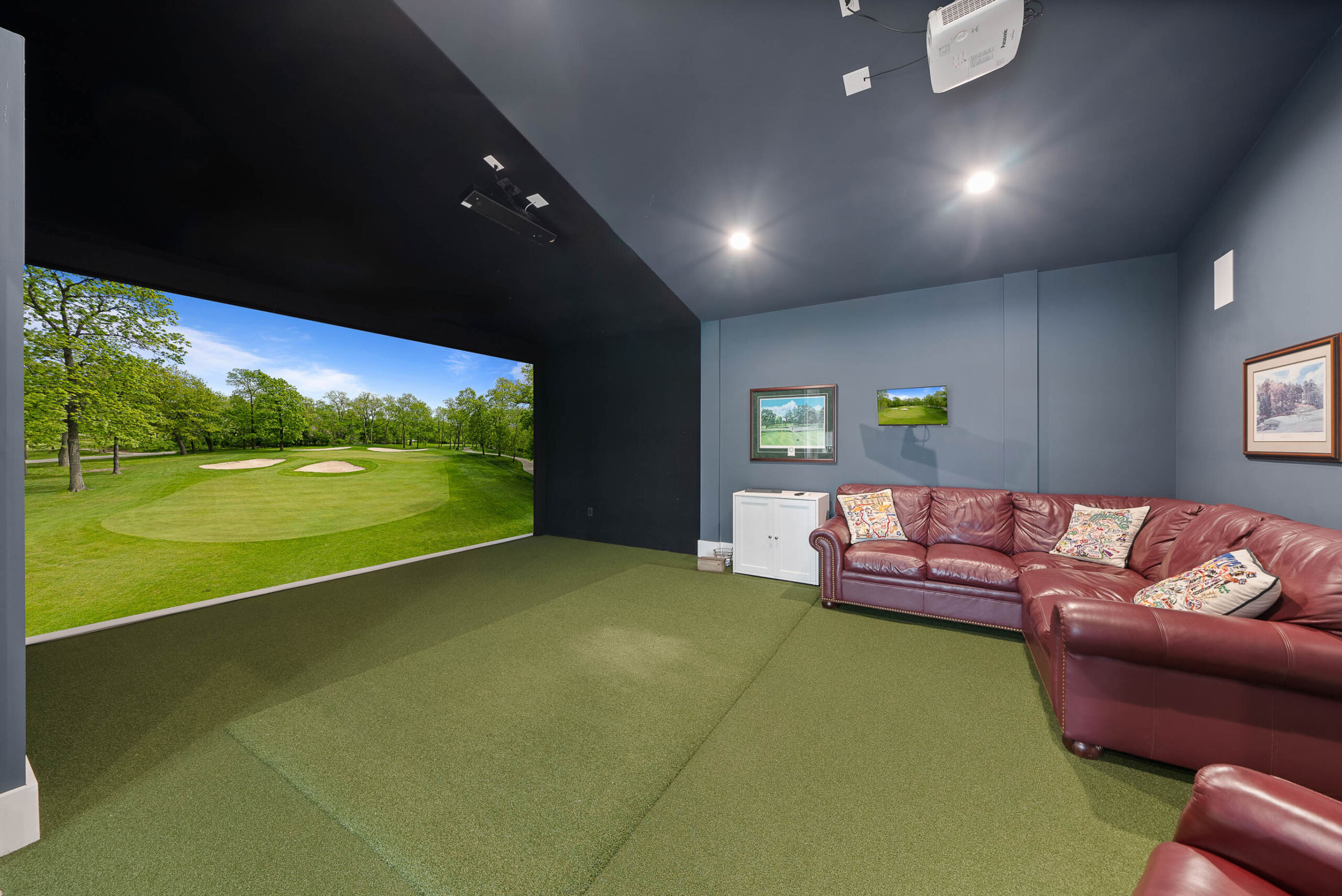
What if one room in your home could do the work of three? In today’s fast-moving households, custom home remodeling is increasingly focused on creating spaces that adapt to how families actually live. Within the first few years of owning a home, many families realize their layout no longer fits daily routines, remote work, or changing needs.
This article explores how multi-functional rooms support modern family life, why they matter, and how thoughtful design can make every square foot work harder. You will learn practical design principles, real-world applications, and how working with experienced custom home builders in Wisconsin can help you create spaces that are both beautiful and flexible.
What Are Multi-Functional Rooms?
Multi-functional rooms are living spaces designed to serve more than one purpose without feeling cluttered or compromised. A dining area that doubles as a homework station or a guest room that functions as a home office are common examples. The goal is to create intentional flexibility rather than temporary solutions.
In custom luxury homes, these rooms are planned from the start. Instead of adding furniture later to force a space to work, the layout, storage, lighting, and finishes are all designed to support multiple uses seamlessly.
How Do Multi-Functional Rooms Work?
The success of a multi-purpose room lies in thoughtful planning and smart design choices. Experienced home remodelers in Lake Geneva, WI often begin by understanding how a family moves through their day. That insight shapes every design decision.
The first step is defining primary and secondary uses. A family room may be used for relaxing in the evening, but also for virtual meetings during the day. Each use has different requirements for lighting, acoustics, and privacy.
Next comes zoning the space. This can be done visually through ceiling details, flooring changes, or built-in cabinetry rather than walls. Zoning allows one room to feel like several distinct areas without losing openness.
Finally, integrated storage and adaptable furnishings keep the room functional. Custom millwork, concealed desks, or sliding panels allow spaces to transform quickly. This approach is often seen in projects completed by a luxury home construction company focused on long-term livability.
Why Multi-Functional Design Is Important for Families
Family life has changed. Homes are now offices, classrooms, gyms, and gathering places all at once. Without flexible spaces, families often feel cramped or disorganized even in larger homes.
Industry research from housing and design organizations consistently shows that buyers prioritize adaptable layouts over formal, single-use rooms. This is especially true in custom luxury homes where homeowners expect both beauty and practicality.
Ignoring flexibility can lead to costly renovations later. Planning for multi-functional use during custom home remodeling helps future-proof the home. As children grow, work situations change, or aging parents move in, adaptable spaces reduce the need for major structural changes.
Key Benefits of Multi-Functional Rooms
Multi-functional rooms offer clear advantages for modern households. One major benefit is better use of space. Instead of dedicating square footage to rooms used only occasionally, families enjoy spaces that stay active throughout the day.
Another benefit is improved organization. Built-in storage and defined zones reduce clutter and help daily routines run smoothly. This is especially valuable for families balancing work, school, and downtime under one roof.
There is also a strong financial benefit. Homes designed with flexibility often hold value better over time. Buyers see adaptable layouts as a premium feature, particularly when built by trusted custom home builders in Wisconsin with a reputation for quality craftsmanship.
Designing Multi-Functional Living Areas
Living rooms are no longer just for entertaining guests. Many now serve as media rooms, play areas, and workspaces. Successful designs balance comfort with durability.
Furniture placement plays a critical role. Seating that can be rearranged easily allows the room to shift from family movie night to social gatherings. Built-in shelving or cabinetry provides storage while framing the space visually.
Lighting should be layered. Natural light supports daytime activities, while dimmable fixtures create a relaxed atmosphere in the evening. This level of detail is common in projects completed by Matustik Builders, where livability is considered alongside aesthetics.
Kitchens That Do More Than Cook
The kitchen has become the true center of the home. Beyond cooking, it often functions as a workspace, homework zone, and gathering spot. Designing for multiple uses requires careful planning.
Large islands with varied seating heights allow adults to work while children complete schoolwork nearby. Integrated charging stations and discreet storage keep technology accessible without overwhelming the space.
Open sightlines are important, but so is subtle separation. Changes in ceiling height or cabinetry style can define zones without closing off the room. This approach is frequently used in custom luxury homes to balance openness with order.
Flexible Bedrooms and Private Spaces
Bedrooms are no longer solely for sleeping. Guest rooms often double as offices or fitness spaces. Designing these rooms with flexibility in mind ensures they remain useful year-round.
Murphy beds, built-in desks, or wall systems allow rooms to transition easily between uses. Sound insulation and lighting control are especially important when a room serves both work and rest functions.
These design strategies are particularly effective during custom home remodeling projects where existing spaces need to be reimagined without expanding the home’s footprint.
How to Choose the Right Builder for Multi-Functional Design
Not all builders approach flexibility the same way. Choosing a team with experience in thoughtful planning is essential. Look for a portfolio that demonstrates creative problem-solving and long-term thinking.
Communication is another key factor. A builder should ask detailed questions about your lifestyle, not just your square footage. This ensures the final design truly supports how your family lives.
Working with a luxury home construction company that specializes in custom solutions allows for tailored designs rather than one-size-fits-all layouts. If you are considering a remodel or new build, explore the custom home remodeling services offered on the Matustik Builders website to see how these principles are applied in real projects.
Frequently Asked Questions
Are multi-functional rooms only for small homes?
No. While they are helpful in smaller spaces, larger homes also benefit from flexible rooms that adapt to changing needs.
Do multi-functional rooms increase renovation costs?
They can require more planning and custom features, but they often reduce the need for future renovations, making them cost-effective long-term.
Can existing homes be redesigned to include multi-functional spaces?
Yes. Many home remodelers specialize in reworking existing layouts to add flexibility without major structural changes.
Building Homes That Adapt With You
Modern families need homes that evolve alongside them. Designing multi-functional rooms allows your space to support work, rest, and connection without constant compromise. Through thoughtful planning, smart storage, and adaptable layouts, every room can serve more than one purpose while still feeling intentional.
Whether you are planning a renovation or building from the ground up, working with experienced custom home builders in Wisconsin makes all the difference. If you are ready to explore how flexible design can enhance your home, reach out to Matustik Builders to learn more about creating spaces that truly fit your life today and tomorrow.